Republic of Tunisia
Ministry of Tourism
Select your language



- Details
- Hits: 97
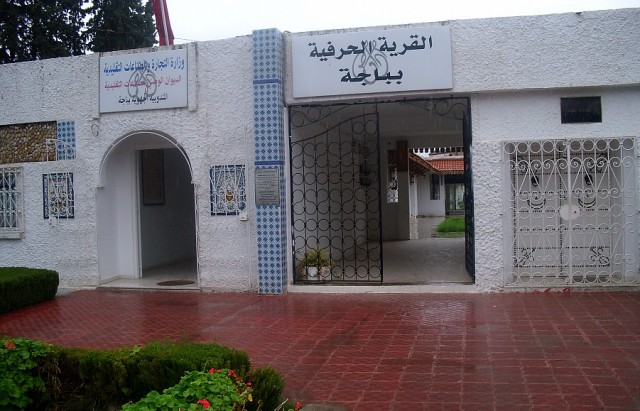
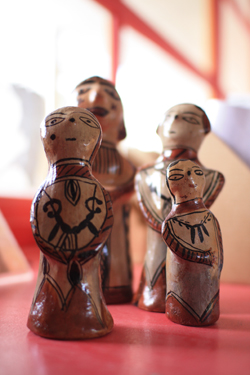
One of the most important features of this village is the Berber pottery industry, as it is considered a pole for this unique product of its kind in Tunisia, and all studies have confirmed that the signs of the exit of this product from self-consumption to the market and its appeal to groups of craftsmen interested in the cultural heritage have become factors that enable it to improve the limited family production into production units capable of adapting to market requirements
The completion of the craft village project in Sejnane falls within the framework of a comprehensive economic approach that takes into account the difficulties and objective data of the region.The process is centered on the adoption of the unique Berber pottery industry, which attracts a significant number of women's craft labor and constitutes a potential strength in the region as an engine and locomotive for growth that drives other activities such as forest products, agricultural products, and tourism activities of all kinds, cultural and environmental. And a beach.
The National Office of Traditional Industries participated in the implementation of this village in the field of improving display conditions, the Ministry of Women's Affairs in the field of promotional campaign and technical supervision of craftsmen, and the Tunisian-Japanese Friendship Association in the field of capacity development.
- Details
- Hits: 93
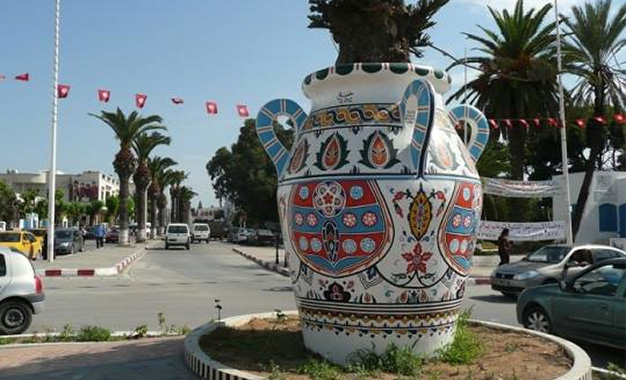
The Center for Artistic Traditions and Crafts in Nabeul opened its doors in August 1990 and includes 12 artisans in various specialties, and was enriched by a gallery in November 1998.
- Details
- Hits: 92
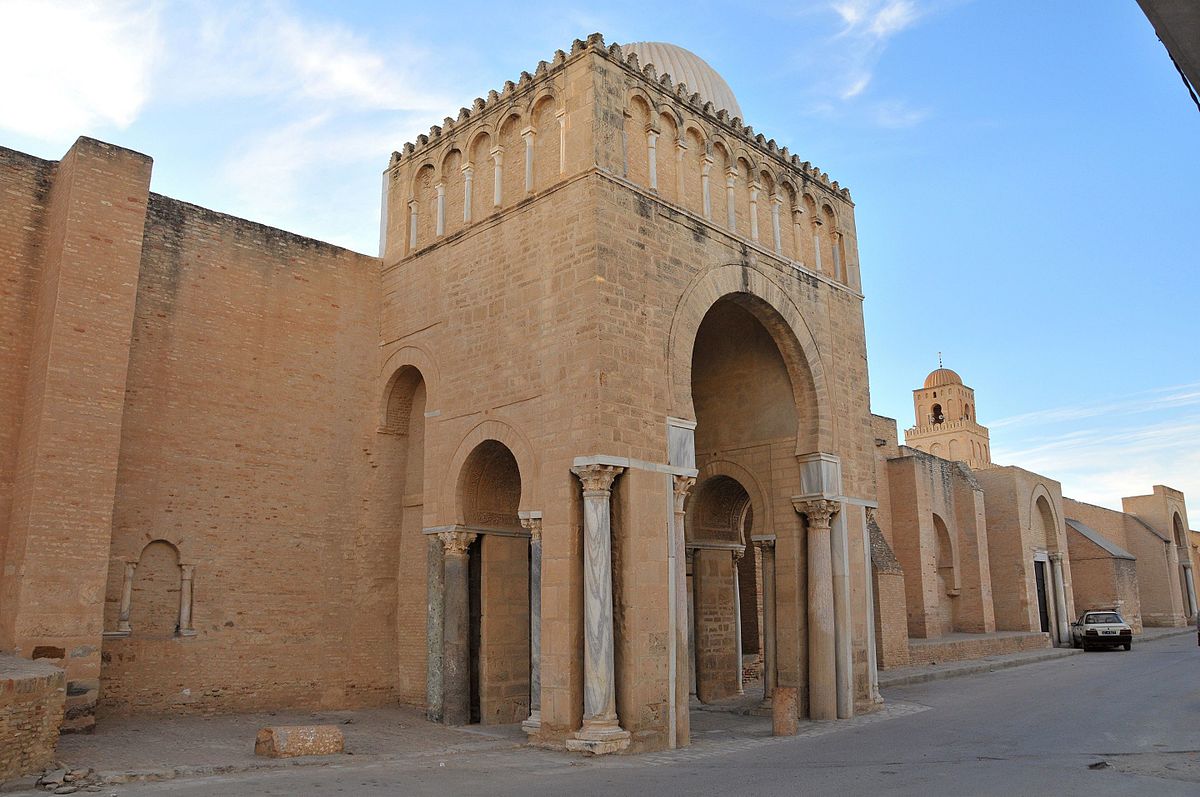
It is located within the ancient city of Kairouan, and it is represented in an area of 670 square meters and contains eighteen workshops that are exploited in the specialties of hand embroidery.
With all its types (Tal, string and lentils), hand drawing and drawing on all bearings. Spaces are exploited by craftsmen for production and for displaying products for sale and for training young people to master the skills of traditional industries. This space, despite its presence in a sub-tourist route, is a destination for visitors, tourists and official delegations visiting Kairouan.
- Details
- Hits: 96
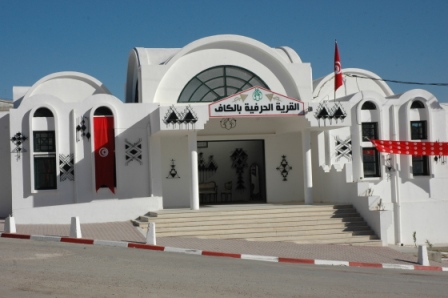
It was launched since 2006 with the aim of overcoming the problems that artisans face in the region, especially at the level of spaces, whether commercial or designated for workshops. The village has become a tourist and revitalization space known for the region’s stock of handicrafts and traditional professions, as well as its role in preserving the continuity of some endangered specialties. The village includes 45 workshops in several craft specialties: hand weaving, weaving, carpeting, kilim, and Butterfly, quilling, painting on silk, hand embroidery, mosaics, allies, terracotta, engraving on wood and marble, and artistic blacksmithing.
- Details
- Hits: 83
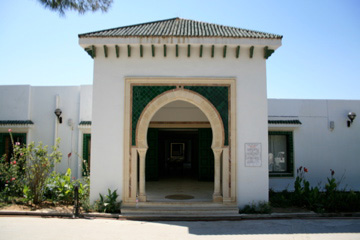
This village is located next to the headquarters of the National Office for Handicraft Industries, and it consists of 53 stores, including 43 workshops for craftsmen to produce and sell traditional handicraft products. It includes the village that opened its doors
For the public during the year 2004, a space for exhibition and for the organization of meetings and various events.
And by virtue of the location of this village, which mediates the headquarters of the Diwan and the Higher School of Design Sciences and Technologies, it has become qualified to be an incubator for institutions in traditional industries and a role model for the rest of the traditional industries.