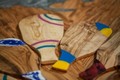



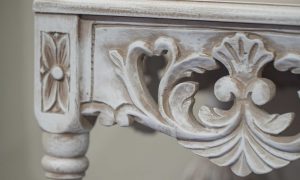
 Antique furniture becomes rare pieces, non-functional and only decorative for modern interiors.
Despite the scarcity of timber producing forests, woodworking is strongly rooted in crafts; Tunisian heritage includes illustrious masterpieces made in different species of this material, illustrating various techniques. The scarcity of wood has allowed the development of major arts related to this noble material: sculpture, painting and ajourage.
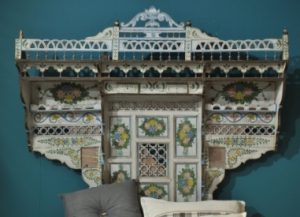
 Tunisian artisan has not only excelled in wood carving. Other techniques, such as turning and painting are familiar to him. Wood painting with geometric or floral varieties is applied with art on the ceilings of mosques and mansions. And it runs through weapon station shelves, it also decorates beautiful chests established by tradition to hold and take the bride’s trousseau.
Today, Lifestyle changes and contact with other civilizations brought down several branches of this craft. Thus, “Hanut Hajjem” and chests were supplanted by modern mass-produced furniture or by experienced woodworkers wich married the spirit of the times.
But the techniques remain and evolve: ajourage, turning and painting found other materials than furniture (shelves, consoles, frames, screens small trinkets), where the craftsman continues to excel in millennia genres.
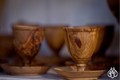
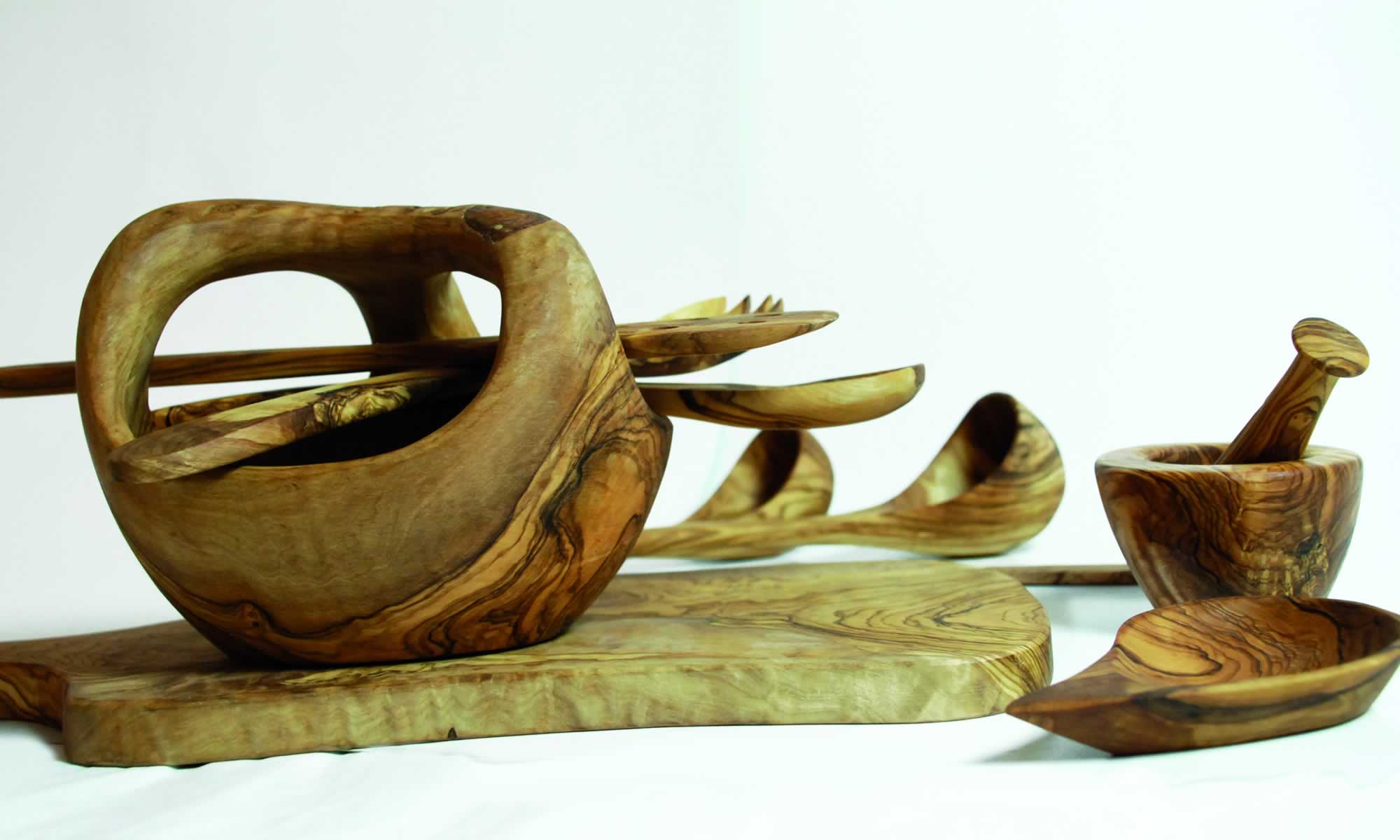
Olive wood meanwhile, usually used to make cooking utensils and labor tools, is suitable for the production of various very popular and decorative items.